
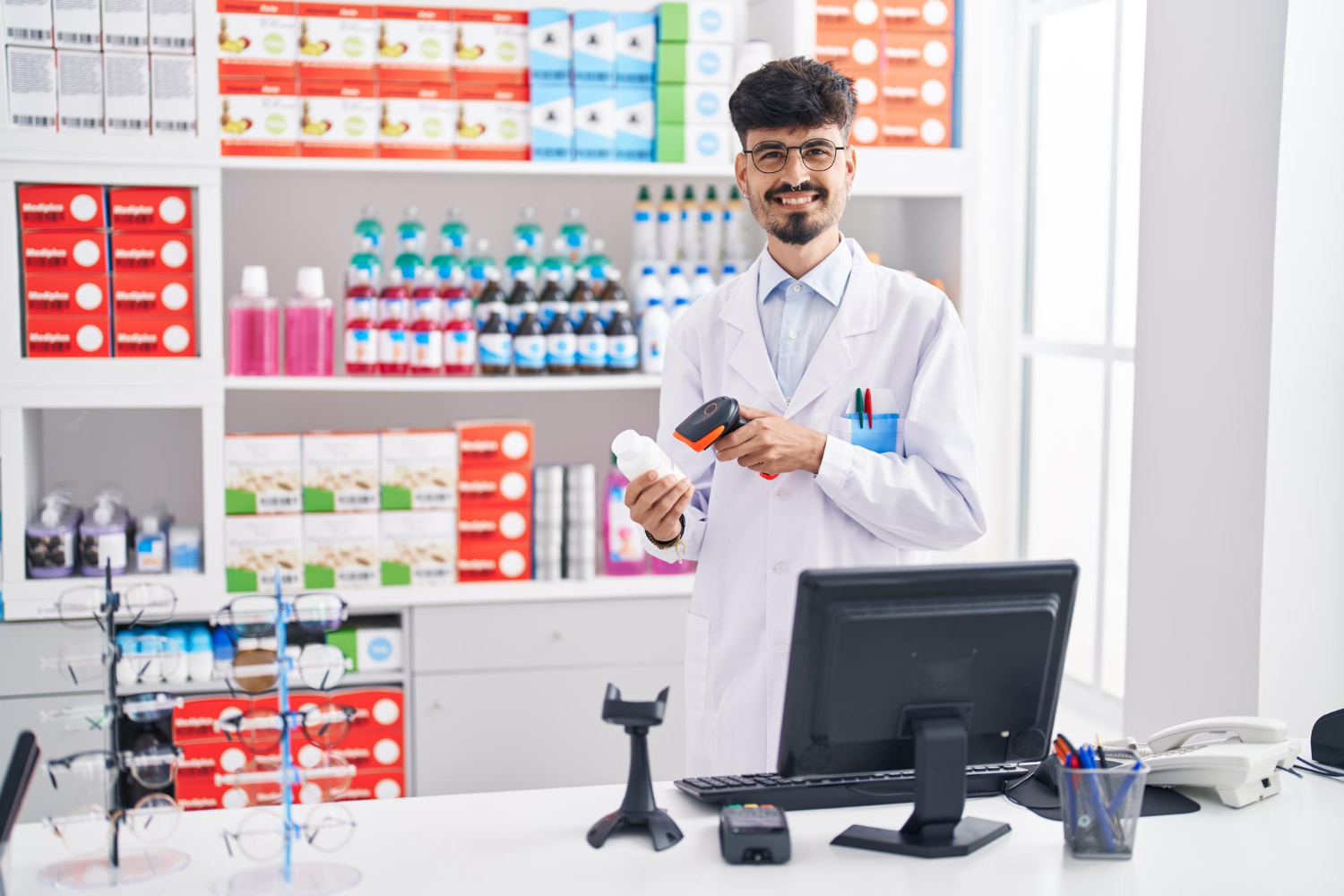
The terms pharmacy and drug store are often used interchangeably, especially when people are talking about where to buy medicines. However, they don't always mean exactly the same thing.
The difference can depend on the country, local regulations, and the services offered by a particular business. In general, a pharmacy is centred around the professional dispensing and management of medicines, while a drug store may have a broader retail focus.
Understanding the difference can help you know where to go when you need medicine, professional advice, or other healthcare products.
What Is a Pharmacy?
A pharmacy is a healthcare establishment where medicines are dispensed and pharmaceutical services are provided by qualified professionals.
Pharmacies typically have a pharmacist or other appropriately licensed personnel responsible for overseeing the safe supply and use of medicines.
Depending on the pharmacy and local regulations, services may include:
- Dispensing prescription medicines.
- Providing over-the-counter medicines.
- Explaining how medicines should be used.
- Checking for potential drug interactions.
- Providing advice about minor health concerns.
- Supporting medication management.
- Providing certain health screening or vaccination services.
The main focus is usually safe and appropriate medicine use.
What Is a Drug Store?
A drug store is generally a retail business that sells medicines alongside other consumer products.
Depending on the location, a drug store may sell:
- Over-the-counter medicines.
- Personal care products.
- Toiletries.
- Cosmetics.
- Snacks and drinks.
- Household items.
- Basic healthcare products.
Some drug stores also operate as fully licensed pharmacies and have pharmacists available to provide professional services.
This is why the terms can sometimes overlap.
The Biggest Difference Is Professional Pharmacy Services
The key difference isn't necessarily the building or the sign outside. It's the professional services and licensing behind the business.
A pharmacy is specifically organised around pharmaceutical care and the safe supply of medicines.
A general drug store may primarily operate as a retail outlet, although it may also contain a licensed pharmacy.
This means you shouldn't assume that every shop selling medicine provides the same level of professional pharmaceutical service.
Can You Buy Prescription Medicines at a Drug Store?
This depends on local laws and whether the business is operating as a licensed pharmacy.
Prescription medicines generally require appropriate professional oversight and should be supplied according to applicable regulations.
If you need a prescription medicine, use a properly licensed pharmacy and follow your healthcare professional's instructions.
What Can You Usually Get From a Pharmacy?
A pharmacy can provide access to a wide range of healthcare products and services.
These may include:
- Prescription medicines.
- Over-the-counter medicines.
- Vitamins and supplements.
- Medical supplies.
- Skincare products.
- Personal healthcare products.
- Medicine counselling.
- Medication reviews.
Some pharmacies may also offer additional healthcare services depending on their facilities and local regulations.
For convenient access to medicines, vitamins, supplements, skincare products, laboratory products, and other healthcare essentials, explore Meddylab's online healthcare store.
Why Pharmacists Matter
One major advantage of using a pharmacy is access to a trained pharmacist.
Pharmacists can help you understand your medicines and answer questions such as:
- How should I take this medicine?
- Should I take it with food?
- Can I take it with another medicine?
- What side effects should I watch for?
- How should I store it?
- What should I do if I miss a dose?
They can also identify situations where you may need to see a doctor rather than simply treating the symptoms yourself.
What About Over-the-Counter Medicines?
Both pharmacies and some drug stores may sell over-the-counter medicines.
These medicines don't usually require a prescription, but that doesn't mean they are completely risk-free.
Some can interact with prescription medicines, supplements, or existing health conditions.
When you're unsure which product is appropriate, speaking with a pharmacist is a good idea.
Pharmacies Can Help With More Than Medicines
Modern pharmacies can be an important part of community healthcare.
Depending on the pharmacy and local regulations, they may provide services such as:
- Blood pressure checks.
- Blood glucose testing.
- Health education.
- Vaccination services.
- Medication reviews.
- Advice about minor illnesses.
- Referral to other healthcare professionals.
The services available will vary from one pharmacy to another.
How to Choose a Reliable Pharmacy
Whether you're visiting a physical pharmacy or ordering healthcare products online, choosing a trustworthy provider matters.
Look for a pharmacy or healthcare retailer that:
- Operates legally and follows applicable regulations.
- Provides clearly labelled products.
- Stores medicines appropriately.
- Has qualified pharmacy professionals where required.
- Gives clear instructions for medicine use.
- Does not encourage inappropriate self-medication.
- Provides a reliable way to contact the business.
Be especially careful with medicines sold through unknown websites, social media accounts, or informal sellers.
What About Online Pharmacies?
Online pharmacies have made it easier for people to access medicines and healthcare products without physically visiting a store.
However, the same safety principles apply online.
Before ordering, check that the website is legitimate, products are properly labelled, and prescription medicines are handled according to applicable regulations.
You should also be able to obtain appropriate professional guidance when necessary.
For a convenient way to browse medicines, supplements, skincare products, laboratory products, and other healthcare essentials, visit the Meddylab online store.
Pharmacy vs Drug Store: A Simple Comparison
| Feature | Pharmacy | Drug Store |
|---|---|---|
| Main focus | Medicines and pharmaceutical care | General retail and healthcare products |
| Pharmacist | Usually central to the service | May or may not be available |
| Prescription medicines | Generally available where legally authorised | Depends on whether a licensed pharmacy operates there |
| Over-the-counter medicines | Commonly available | May be available |
| Healthcare advice | Often available from a pharmacist | Varies |
| Other products | May sell personal care and healthcare products | Often sells a broader range of consumer products |
The exact distinction varies by country and local regulations, so the names alone don't always tell you everything about a particular business.
Which One Should You Use?
If you simply need a basic personal-care product or a non-prescription item, a general drug store may be sufficient.
If you need a prescription medicine, have questions about a medicine, take multiple medicines, or aren't sure what treatment is appropriate, a licensed pharmacy with access to a pharmacist is generally the better choice.
And if your symptoms are severe, unusual, or persistent, you may need to see a doctor rather than relying on either a pharmacy or drug store for treatment.
Final Thoughts
Although the terms pharmacy and drug store are sometimes used to mean the same thing, there can be an important difference.
A pharmacy is primarily focused on medicines and pharmaceutical care, while a drug store may have a broader retail focus. However, a drug store can also contain a fully licensed pharmacy, so the distinction depends heavily on the business and local regulations.
What matters most is choosing a legitimate provider, using medicines responsibly, and seeking professional advice whenever you're unsure.
For medicines, vitamins, supplements, skincare products, laboratory products, and other healthcare essentials, shop conveniently from Meddylab.
For more practical medicine guides, healthcare advice, wellness information, and educational articles, read more on the Meddylab blog.
Stay connected with Meddylab for useful healthcare information by following Meddylab on X, following Meddylab on Instagram, and watching Meddylab's healthcare videos on YouTube. You can also find Meddylab on Google.
 Flutterwave
 Cards
 Bank Transfer
 USSD
 Alldeliveries
Comments
No comments yet. Be the first to comment.